Website Redesign Checklist for Growing Businesses
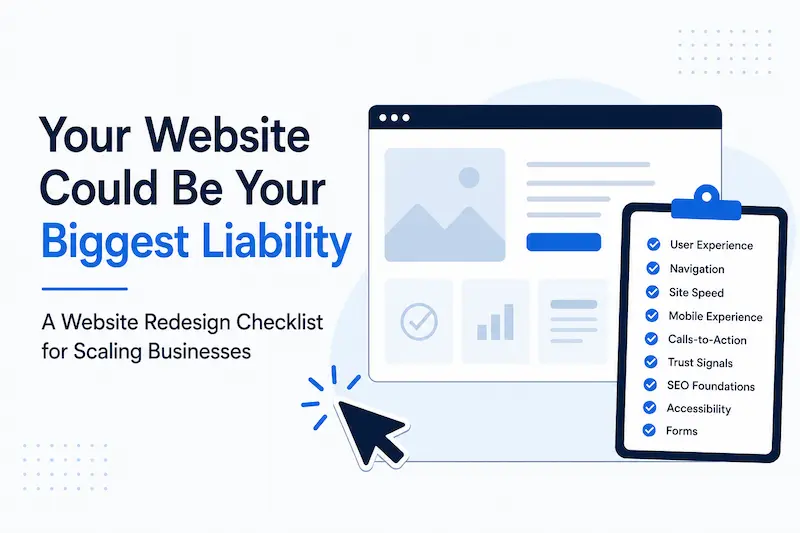
Your website is often the first interaction potential customers have with your business. As your company grows, your website should evolve alongside it. A site that once met your needs may no longer reflect your brand, support your marketing goals, or provide the experience modern users expect. If your website feels outdated, loads slowly, or struggles to generate leads, it may be time for a redesign.
A successful website redesign is much more than updating colors or adding new images. It involves improving usability, enhancing performance, strengthening security, optimizing for search engines, and ensuring your website supports your long-term business objectives.
This comprehensive checklist will help growing businesses plan and execute a successful website redesign while avoiding common mistakes.
Why Consider a Website Redesign?
Businesses evolve over time. New products, changing customer expectations, and advances in technology can make an older website less effective.
Common reasons to redesign a website include:
- Outdated design and branding
- Poor mobile responsiveness
- Slow loading speeds
- Low search engine rankings
- Difficult content management
- Weak lead generation
- High bounce rates
- Security vulnerabilities
- Business expansion into new markets
A redesigned website should not only look better but also improve functionality, customer engagement, and business performance.
Transform Your Website with Modern Web Development
As businesses grow, their websites must evolve to meet changing customer expectations, improve performance, and support new business goals. Our Web Development Services help businesses redesign and build fast, responsive, and scalable websites with modern technologies, SEO-friendly architecture, and user-focused experiences that strengthen online visibility and drive long-term growth.
Website Redesign Checklist
1. Define Clear Business Goals
Before starting a redesign, identify what you want your website to achieve.
Your goals may include:
- Increasing online sales
- Generating more qualified leads
- Improving customer engagement
- Strengthening brand credibility
- Enhancing customer support
- Expanding into new markets
Clear objectives help guide every design and development decision throughout the project.
2. Understand Your Target Audience
A successful website is built around user needs.
Research your audience by considering:
- Customer demographics
- Browsing behavior
- Device preferences
- Common pain points
- Buying journey
- Frequently asked questions
Understanding your users helps create a website that delivers relevant content and intuitive navigation.
3. Audit Your Existing Website
Before making changes, evaluate what's currently working and what isn't.
Review:
- High-performing pages
- Traffic sources
- Conversion rates
- Bounce rates
- Broken links
- Outdated content
- Technical SEO issues
- User feedback
This audit ensures valuable content and successful features are retained while problem areas are improved.
4. Refresh Your Brand Identity
Your website should accurately represent your current business.
Consider updating:
- Logo placement
- Color palette
- Typography
- Images and graphics
- Messaging
- Calls-to-action (CTAs)
A consistent brand identity builds trust and creates a memorable customer experience.
5. Improve Navigation
Visitors should easily find the information they need.
Best practices include:
- Clear menu structure
- Logical page hierarchy
- Breadcrumb navigation
- Search functionality
- Well-organized service pages
Simple navigation reduces frustration and improves user engagement.
6. Optimize for Mobile Devices
Most users now browse websites on smartphones and tablets.
Your redesigned website should include:
- Responsive layouts
- Touch-friendly buttons
- Mobile-optimized images
- Readable text sizes
- Fast mobile loading
A mobile-friendly website improves both user experience and search engine visibility.
7. Increase Website Speed
Website performance has a direct impact on user satisfaction and conversions.
Speed optimization techniques include:
- Compressing images
- Using browser caching
- Minifying CSS and JavaScript
- Implementing a Content Delivery Network (CDN)
- Optimizing server response time
- Reducing unnecessary plugins
A fast website keeps visitors engaged and encourages them to explore more pages.
8. Strengthen SEO
A redesign should improve—not harm—your search rankings.
Key SEO considerations include:
- Keyword optimization
- Proper heading structure
- Optimized meta titles and descriptions
- Image alt text
- Internal linking
- Clean URL structure
- XML sitemap
- Schema markup
Maintaining redirects for existing URLs also helps preserve search engine authority.
9. Focus on Conversion Optimization
A visually appealing website should also generate measurable business results.
Improve conversions by adding:
- Clear CTAs
- Contact forms
- Live chat
- Testimonials
- Trust badges
- Customer reviews
- Easy-to-find contact information
Reducing friction throughout the customer journey encourages more inquiries and sales.
10. Prioritize Website Security
Protecting customer information is essential.
Security best practices include:
- SSL certificates
- Secure hosting
- Strong authentication
- Regular software updates
- Malware protection
- Automated backups
- Firewall protection
A secure website increases customer confidence and protects business data.
11. Improve Content Quality
Content remains one of the most important factors in website success.
Review every page to ensure content is:
- Accurate
- Up-to-date
- Easy to read
- Optimized for SEO
- Helpful to users
- Consistent with your brand voice
Remove duplicate or outdated content that no longer serves your audience.
12. Integrate Business Tools
Modern websites often connect with multiple business systems.
Useful integrations include:
- CRM software
- Email marketing platforms
- Payment gateways
- Appointment booking systems
- Analytics tools
- Social media platforms
- Customer support software
These integrations streamline operations and improve customer experiences.
13. Test Before Launch
Never launch a redesigned website without thorough testing.
Verify:
- Mobile responsiveness
- Browser compatibility
- Page speed
- Forms
- Payment processing
- Navigation
- Internal links
- Search functionality
- Contact information
Comprehensive testing reduces post-launch issues.
14. Monitor Performance After Launch
Launching your redesigned website is only the beginning.
Track important metrics such as:
- Website traffic
- Bounce rate
- Conversion rate
- Keyword rankings
- Page speed
- User behavior
- Lead generation
Continuous monitoring helps identify opportunities for further improvements.
Build Cross-Platform Mobile Experiences with Mobile App Development
As businesses expand their digital presence, they need mobile solutions that deliver seamless experiences across Android, iOS, and the web. Our Mobile App Development Services help businesses create native, cross-platform, and Progressive Web App solutions that improve customer engagement, support offline access, integrate with business systems, and provide scalable digital experiences for modern users. Codexxa's mobile development capabilities include Progressive Web App development alongside native and cross-platform applications.
Common Website Redesign Mistakes to Avoid
Many redesign projects fail because businesses overlook critical details.
Avoid these common mistakes:
- Redesigning without clear goals
- Ignoring SEO during migration
- Removing valuable content
- Overcomplicating navigation
- Using large, unoptimized images
- Forgetting mobile users
- Skipping user testing
- Neglecting website security
- Failing to set up redirects
- Not monitoring post-launch performance
Learning from these mistakes can save time, money, and lost traffic.
How Professional Website Redesign Services Can Help
A website redesign involves strategy, design, development, SEO, testing, and ongoing optimization. Working with an experienced web development team helps ensure every aspect of the project supports your business objectives.
Professional website redesign services can help you:
- Modernize your website design
- Improve user experience (UX)
- Optimize for search engines
- Increase website speed
- Build responsive, mobile-friendly layouts
- Integrate CRM, payment, and marketing tools
- Strengthen website security
- Improve lead generation and conversions
- Provide ongoing maintenance and support
If your business requires advanced functionality, combining Website Redesign Services with Custom Web Development Services and UI/UX Design Services ensures your new website is scalable, high-performing, and aligned with your long-term growth strategy.
Conclusion
A website redesign is a valuable investment for growing businesses looking to improve their online presence, attract more customers, and support future expansion. By following a structured checklist—from defining business goals and auditing existing content to optimizing performance, strengthening SEO, enhancing security, and improving user experience—you can create a website that not only looks modern but also delivers measurable business results.
Remember that a successful redesign is not just about aesthetics. It's about building a digital platform that reflects your brand, supports your marketing efforts, and provides a seamless experience for every visitor. With careful planning and the right development partner, your redesigned website can become a powerful tool for long-term business growth.
Frequently Asked Questions (FAQs)
1. How often should a business redesign its website?
Most businesses should evaluate their website every 2–4 years or sooner if there are significant changes in branding, technology, or customer expectations.
2. Will a website redesign affect SEO?
It can if not planned carefully. Preserving URL structures where possible, implementing 301 redirects, and maintaining on-page SEO elements help protect search rankings.
3. What is the most important part of a website redesign?
The most important aspects are understanding your business goals, improving user experience, optimizing performance, and ensuring the website supports conversions.
4. How long does a website redesign take?
The timeline depends on the size and complexity of the project. Small business websites may take a few weeks, while larger, custom websites can take several months.
5. Should I hire professionals for a website redesign?
Yes. Experienced web designers and developers can ensure your website is visually appealing, technically sound, secure, SEO-friendly, and optimized for long-term business success.